Technical AI Safety
Studied how AI systems fail and how people evaluate, interpret and oversee them. This was coursework, not original research.
2024–present · Policy & civic access
From how AI systems fail to who actually gets a say in what happens next.
Explore the engineering ↓
What I found
Most ways for the public to weigh in on AI policy are open on paper, but hard to find and hard to use unless you’re already an insider.
Learn how AI systems fail, and how people test and oversee them.
See how evidence turns into standards and decisions.
Try to actually use the public participation channels myself.
Design a campus hub around the barriers I ran into.
A developing practice
How the work built up, from technical study to policy work.
Studied how AI systems fail and how people evaluate, interpret and oversee them. This was coursework, not original research.
Shifted from technical failure modes toward the standards, institutions, and participation pathways that act on evidence.
Ran the Civic Access Stress Test through direct engagement, institutional outreach, and barrier logging. It ended with a presentation at the Reagan Institute in Washington, D.C., and a proposed Campus Civic Access Hub.
Connected evidence, organizational priorities, and practical pathways for responsible policy engagement.
Continues the trajectory toward accountable deployment, evaluation, reporting, and meaningful non-expert participation.
Civic Access Stress Test
My capstone presentation at the Reagan Institute in Washington, D.C.
Press play to load the video.
Along the way
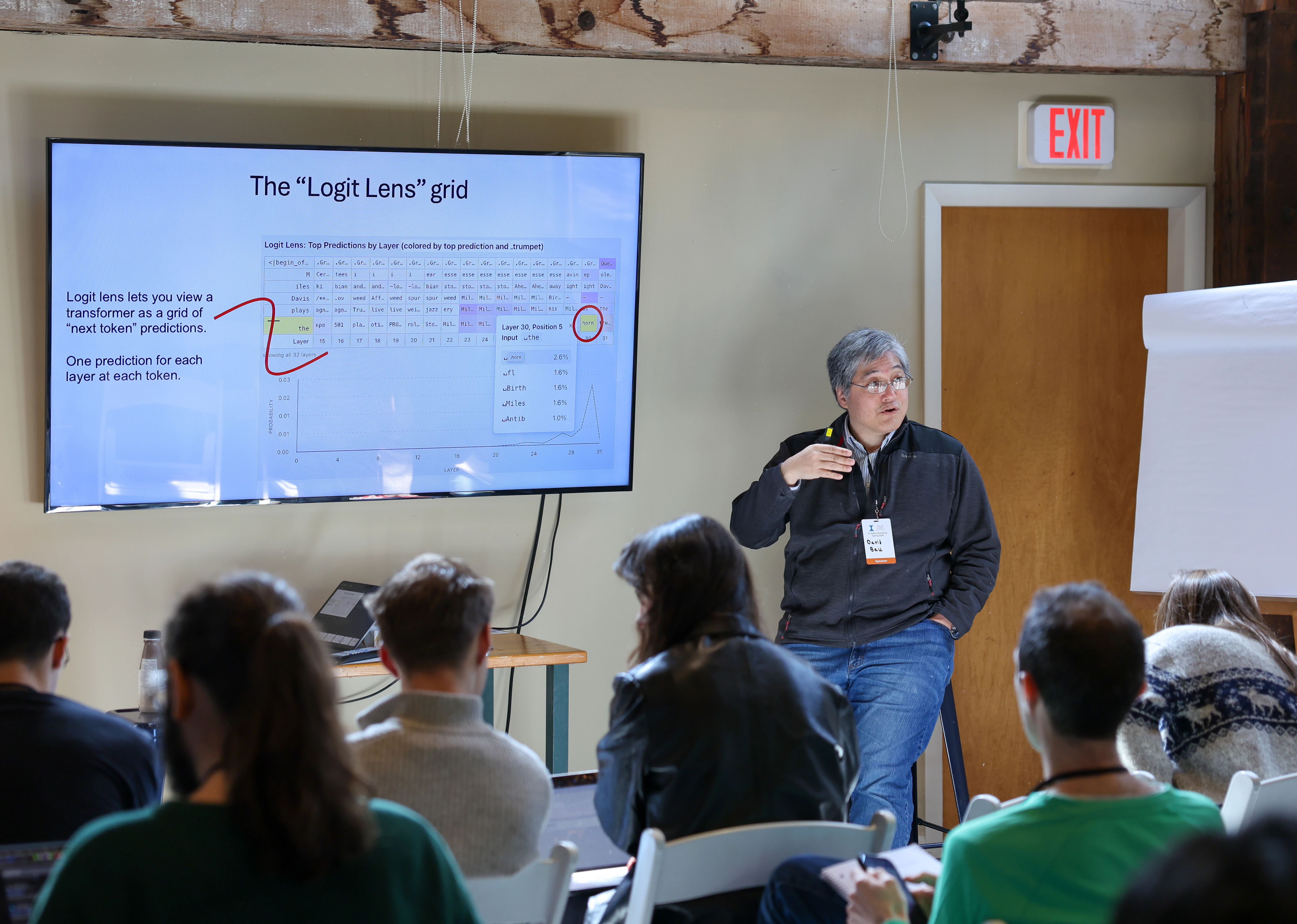
Talks and discussion during the fellowship.
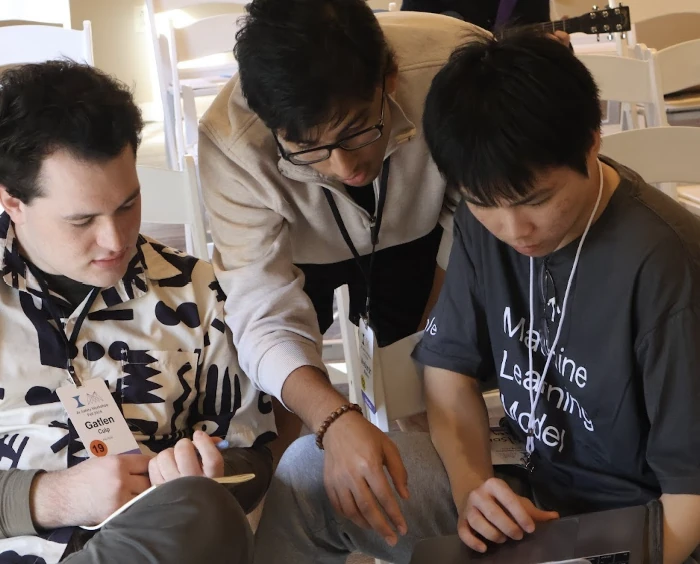
Working through a policy question with the group.
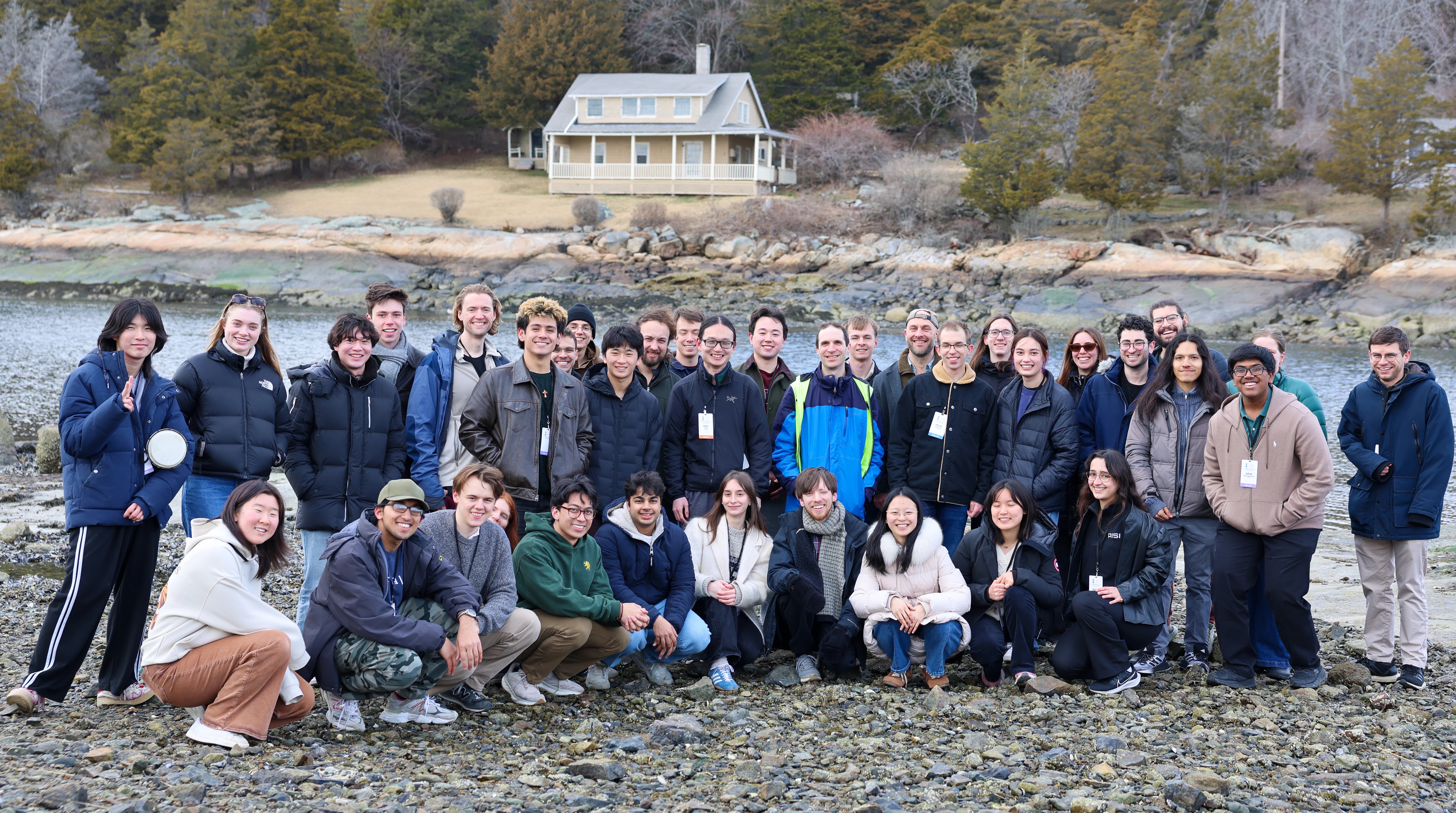
The people I learned this with.
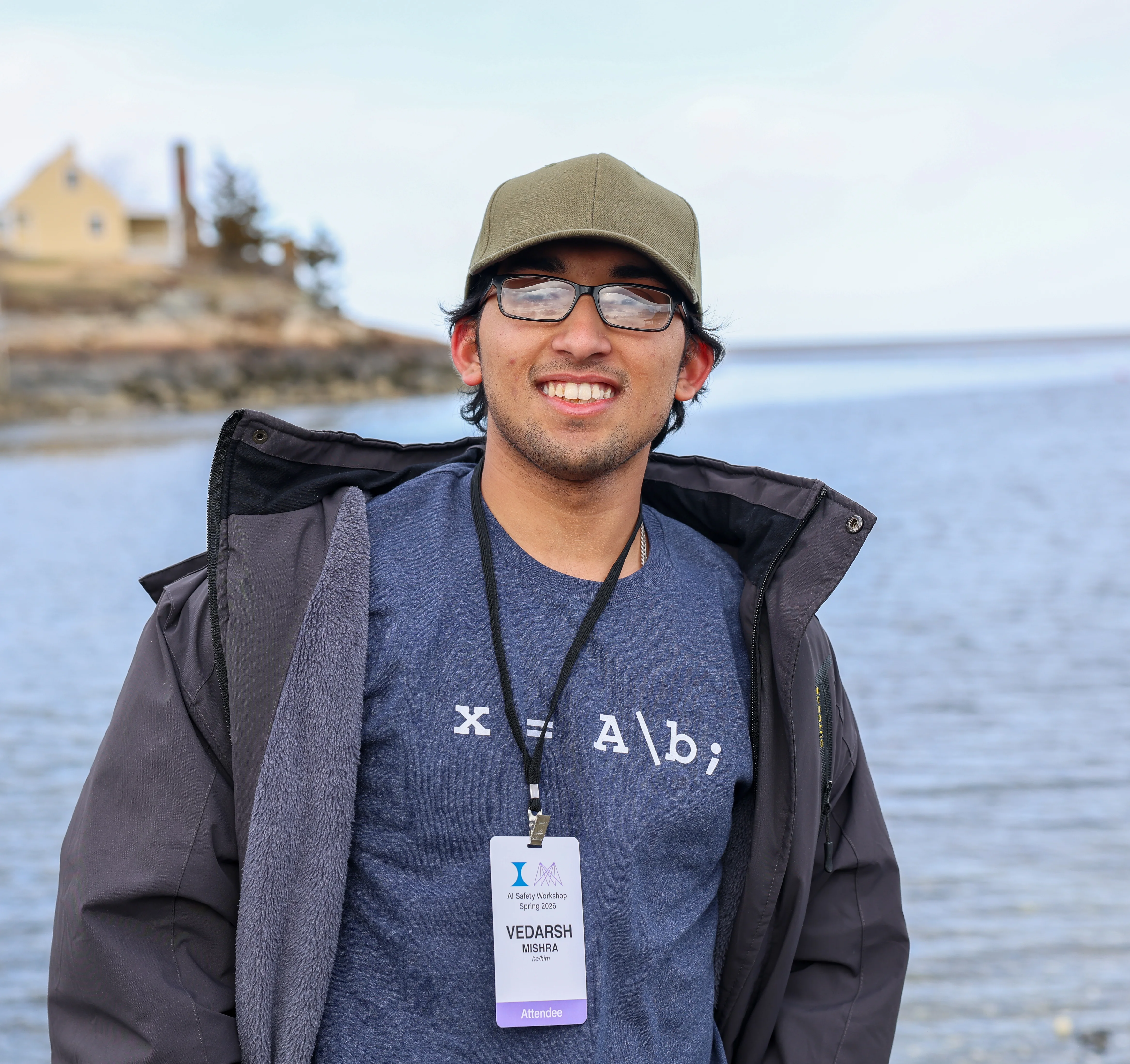
A working session in the policy fellowship.
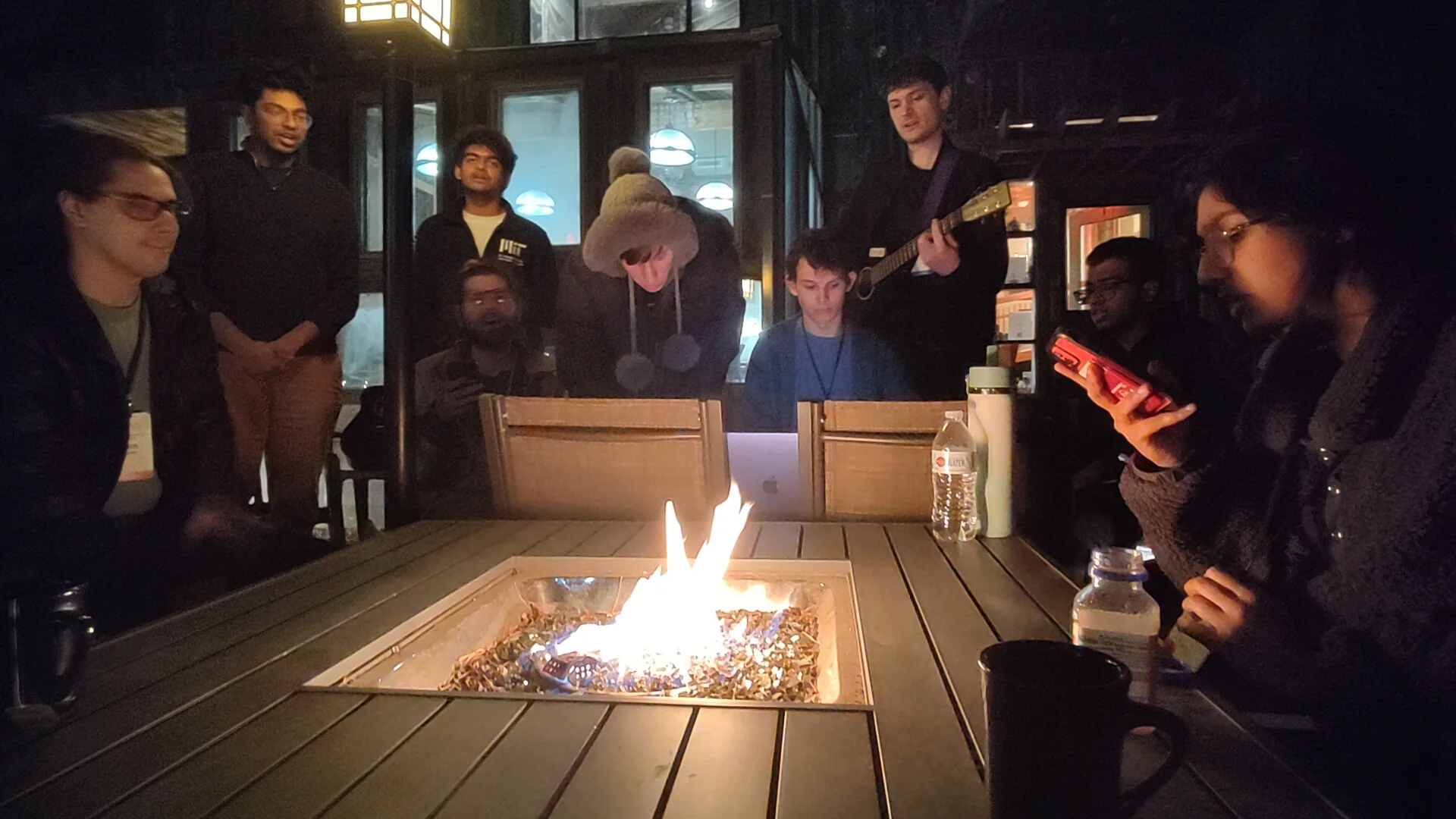
The technical AI safety cohort, Fall 2024.
More from the fellowship sessions.
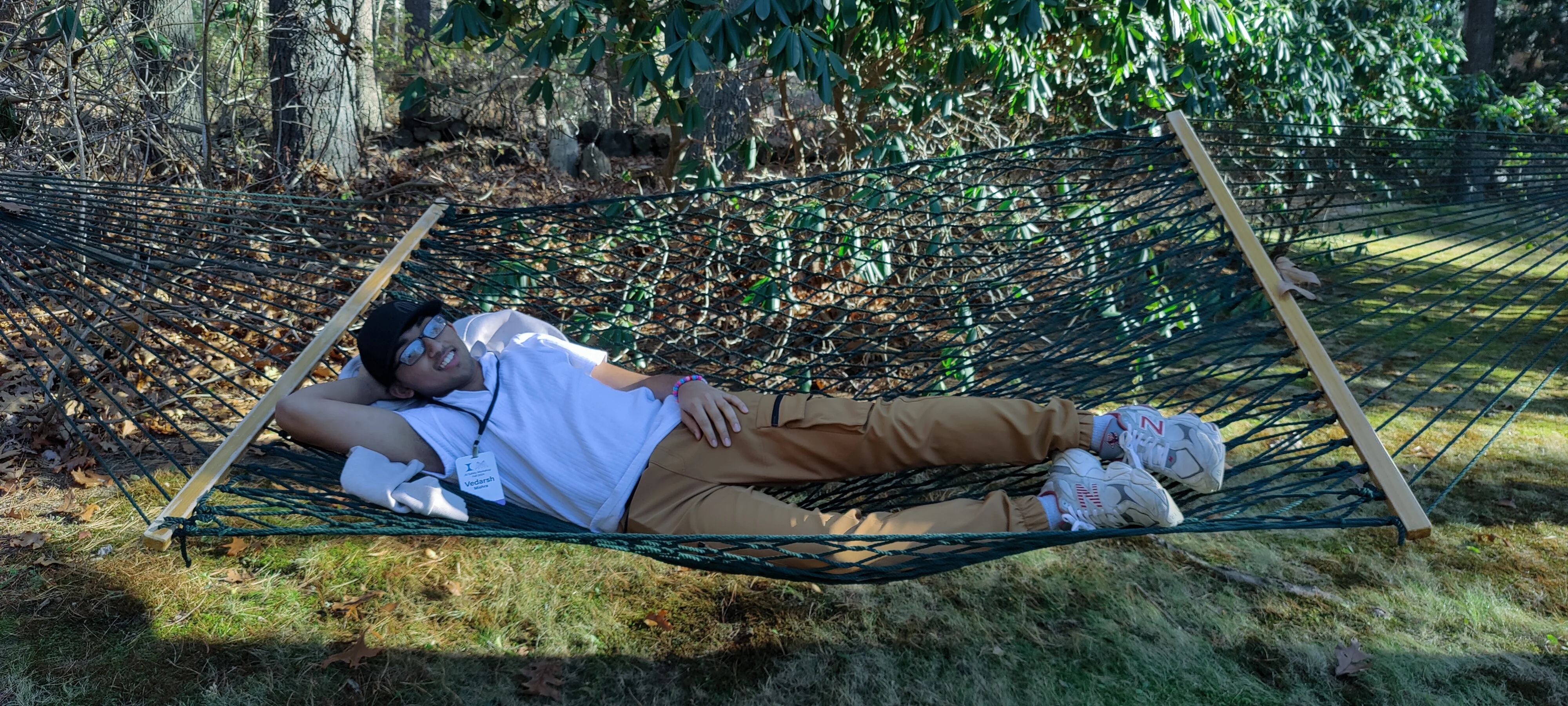
Another moment from the technical safety course.
I started with technical AI safety in Fall 2024: reward misspecification, goal misgeneralization, interpretability, control, oversight and evaluations. That was training, not my own research. The question that stuck with me was what happens after someone finds a problem: who decides, and who gets heard.
That led to the AI policy fellowship in Fall 2025, strategy and policy work with AISST, and the Civic Leaders Fellowship.
Instead of asking whether public participation channels exist, I tried to use them. I went to AI and emerging-technology policy events, reached out to institutions to find real ways to participate, and logged every barrier I hit along the way.
Informational: opportunities were hard to find unless you were already in the network. Structural: affiliation requirements and insider processes narrowed who could get in. Social: expert spaces had unwritten rules that were hard to read. Logistical: travel, weekday timing, scattered information and short deadlines all added up.
These are my observations from one capstone, not a survey, so they don’t say how common each barrier is everywhere.
A Campus Civic Access Hub with three parts: a plain-language guide to opportunities, a short civic-literacy path that ends with actually taking part in something, and a feed of open comment periods and deadlines. The program’s January 2026 feedback called it timely. It’s still a proposal; it hasn’t been built or tested.
A capable system still needs testing, oversight, and institutions that can act on what the tests show. That connection is what I care most about: safety evaluations, reporting, deployment decisions, and whether the public can actually take part.
Sources
Continue exploring.
← Back to Selected Builds